 donna@ivdripladies.com
Back-to-School Germ Season: How to Keep Your Kids Healthy
Back-to-School Germ Season: How to Keep Your Kids Healthy
Strengthen Immunity Before Classrooms Fill Up Again
Your family deserves protection
Why Back-to-School Germs Spread So Quickly in Cedar Park Classrooms
The return to school creates a perfect environment for viruses and bacteria to circulate rapidly among children. When students gather in enclosed classrooms after summer break, their immune systems encounter pathogens they have not faced in months. Younger children, particularly those in elementary school, touch their faces frequently and share supplies, creating countless transmission opportunities throughout each school day.
Cedar Park families often notice that the first month of school brings a wave of sniffles, coughs, and stomach bugs home. The late summer heat in Central Texas means classrooms rely heavily on air conditioning, which can dry out nasal passages and make children more susceptible to respiratory infections. Additionally, the stress of new routines, earlier wake times, and increased mental demands can temporarily weaken a child’s natural defenses during those critical first weeks.
Understanding these patterns allows parents to take proactive measures rather than simply reacting when illness strikes. Children between ages five and twelve experience an average of six to eight respiratory infections per year, with the majority occurring during the school year. These infections spread through respiratory droplets when children cough or sneeze, and through contact with contaminated surfaces like doorknobs, desks, and shared electronics. The enclosed nature of school buses adds another layer of exposure, particularly during morning and afternoon commutes when children sit in close proximity for extended periods.
Simple Daily Habits That Shield Your Children From Illness
Consistent handwashing remains the single most effective prevention strategy parents can teach. Encourage children to wash hands with soap and warm water for at least 20 seconds before meals, after using the restroom, and immediately upon arriving home from school. Make this routine engaging for younger children by singing a favorite song that lasts the appropriate duration. Place a step stool near the bathroom sink so children can reach comfortably, and keep soap dispensers filled and accessible.
Sleep quality directly impacts immune function, yet many school-age children do not receive adequate rest. Elementary students need 9 to 11 hours of sleep each night, while teenagers require 8 to 10 hours. Establish a consistent bedtime routine that begins 30 minutes before lights out, limiting screen exposure during that window. The blue light from tablets and smartphones interferes with melatonin production, making it harder for children to fall asleep and reducing overall sleep quality.
Pack nutrient-dense snacks that support immune health rather than relying on processed convenience foods. Fresh fruit, vegetable sticks with hummus, nuts, and whole grain crackers provide sustained energy and essential vitamins. Keep a water bottle in your child’s backpack and encourage regular hydration throughout the day, particularly during outdoor recess and physical education classes. Dehydration can impair the body’s ability to flush out toxins and maintain healthy mucous membranes that serve as the first line of defense against pathogens. Teaching children to recognize thirst cues and drink water proactively, rather than waiting until they feel parched, establishes a foundation for lifelong wellness habits.
Build Immunity Through Strategic Nutrition and Proper Hydration
A well-nourished body maintains stronger defenses against the constant barrage of germs children encounter at school. Focus on meals rich in vitamins A, C, D, and zinc, which play crucial roles in immune function. Citrus fruits, berries, leafy greens, sweet potatoes, and lean proteins should appear regularly on your family’s menu. Prepare breakfast options that combine protein and complex carbohydrates to provide steady energy and avoid the mid-morning crashes that come from sugary cereals or pastries.
Adequate hydration supports every system in the body, including immune response. Children often become so engaged in school activities that they forget to drink water, leading to dehydration that compromises their natural defenses. The dry Texas heat means children lose fluids quickly, particularly those who participate in outdoor activities or sports. Encourage your child to drink water at regular intervals throughout the day, and consider sending a marked water bottle with time-based goals to make hydration more engaging.
When dietary gaps exist or during periods of high stress and exposure, vitamin C IV therapy can provide targeted immune support that goes beyond what oral supplements achieve. Intravenous delivery ensures maximum absorption, delivering essential nutrients directly to cells where they are needed most. This approach can be particularly valuable during peak illness seasons or when you notice early signs that your child’s immune system needs additional support. Proper nutrition creates a strong baseline, while hydration IV therapy can address specific deficiencies or provide a rapid boost when your family needs it most, ensuring everyone stays healthy and active throughout the demanding school year.
When and How to Use Professional Wellness Support for Your Family
Even with the best preventive measures, parents sometimes need additional tools to keep their families healthy during the demanding school year. Professional immune support becomes particularly valuable during transition periods, before family travel, or when you notice multiple classmates falling ill. Rather than waiting until everyone in the household is sick, proactive immune support can help maintain wellness when exposure risk increases.
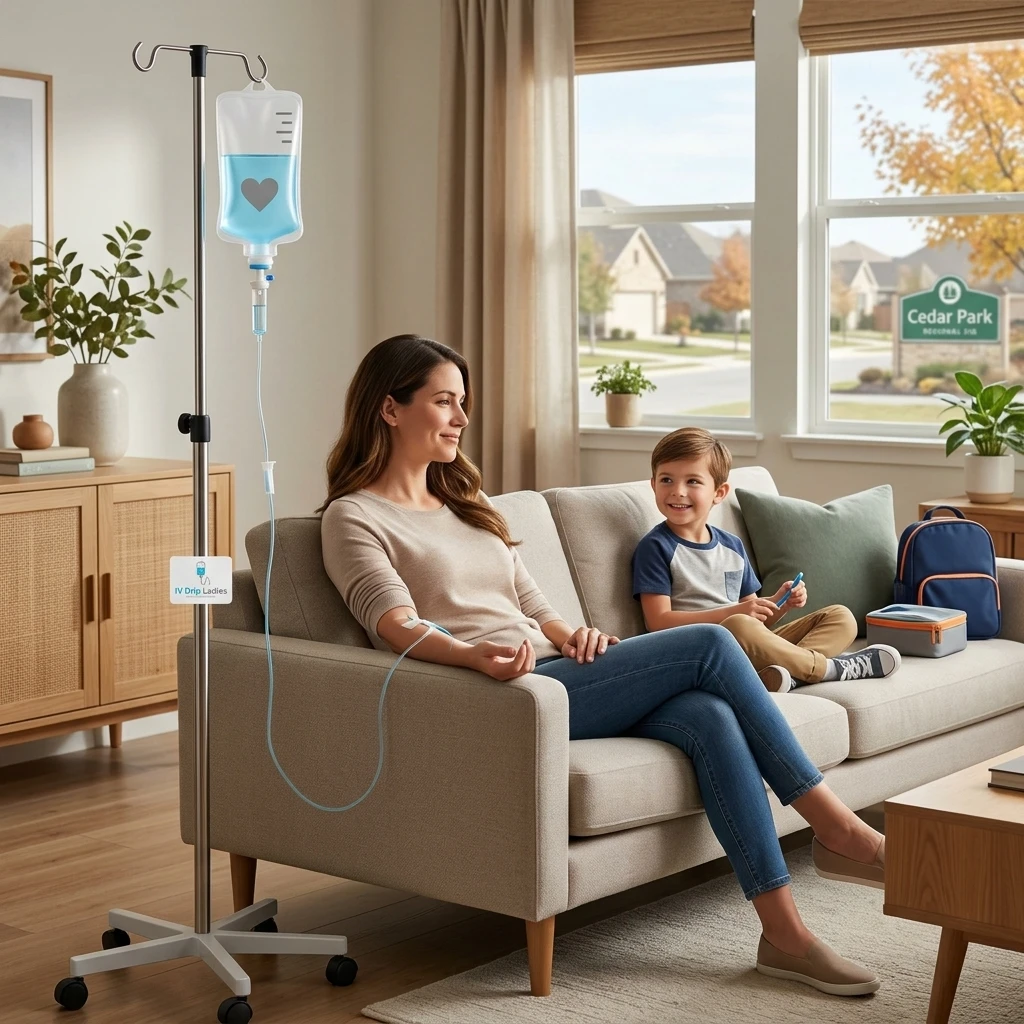
Mobile IV therapy offers a convenient solution for busy families who struggle to find time for wellness appointments. Instead of coordinating schedules and driving to a clinic, mobile IV therapy in Cedar Park brings professional immune support directly to your home at a time that works with your family’s routine. This service proves especially helpful for parents juggling multiple children’s schedules, work commitments, and household responsibilities. Sessions typically last 30 to 45 minutes, during which you can relax, catch up on reading, or simply enjoy a moment of quiet while receiving a customized blend of vitamins, minerals, and hydration.
Immune boost IV therapy delivers a concentrated dose of vitamin C, B vitamins, zinc, and other immune-supporting nutrients that help your body mount a stronger defense against pathogens. This approach is not about replacing healthy habits, but rather complementing them during high-risk periods. Many Cedar Park families schedule sessions at the start of each school year, before holiday gatherings, or during particularly stressful weeks when sleep and nutrition may not be optimal. The treatment supports your body’s natural defenses without the side effects or interactions that can come with some oral supplements, providing a safe and effective way to maintain wellness when your family needs it most.
Create Lasting Wellness Routines That Protect Your Family All Year
Short-term interventions help during crisis moments, but lasting health comes from sustainable routines that support your family throughout the entire school year. Create a family wellness calendar that includes regular bedtimes, planned meal prep sessions, and scheduled outdoor activity time. When children understand that wellness practices are non-negotiable parts of daily life rather than temporary measures, they internalize these habits and carry them into adulthood.
Physical activity strengthens immune function while reducing stress and improving sleep quality. Encourage your children to participate in activities they genuinely enjoy, whether that means team sports, dance classes, martial arts, or simply playing outside after school. The goal is consistent movement rather than intense training. Even 30 minutes of moderate activity most days of the week provides significant immune benefits. Family walks after dinner, weekend bike rides, or backyard games create opportunities for movement while strengthening family bonds.
Monitor your children for signs of stress or burnout, which can suppress immune function just as effectively as poor nutrition or inadequate sleep. Academic pressure, social challenges, and overscheduled calendars take a toll on young bodies and minds. Build downtime into your family’s routine, and create spaces where children feel comfortable discussing their worries and challenges. Consider incorporating wellness events into your family’s routine, providing opportunities to learn new health strategies in supportive, engaging environments. By establishing these patterns now, you equip your children with the knowledge and habits they need to maintain their health independently as they grow, creating a foundation for lifelong wellness that extends far beyond any single school year.